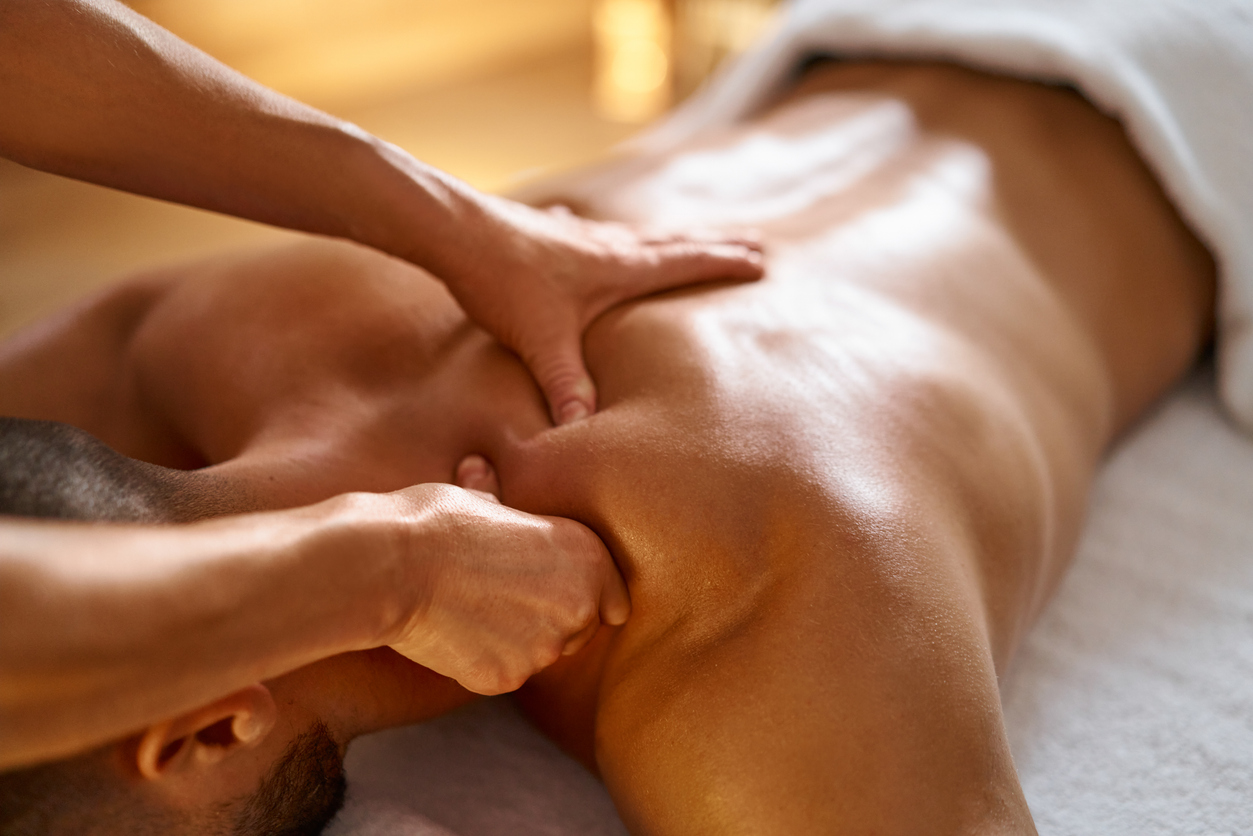
A deep tissue massage is a specialised form of massage therapy designed to target the deeper layers of muscle and connective tissue.
Unlike lighter relaxation massages, deep tissue techniques focus on releasing chronic tension, easing muscular discomfort, and improving movement by working beneath the surface layers of muscle.
This treatment is often chosen by people experiencing persistent back pain, shoulder tightness, neck stiffness, or muscular strain caused by work, exercise, or stress.
By applying sustained pressure and controlled, slow strokes, a qualified therapist can help break down tension patterns and support long-term relief.
How Does a Deep Tissue Massage Work?
Deep tissue massage targets adhesions, also known as muscle knots. These tight bands of tissue can restrict movement, reduce circulation, and cause discomfort in surrounding areas.
During the session, the therapist uses medium to firm pressure, often with their hands, forearms, or elbows, to work into specific muscle groups.
The strokes are typically slower than other massage styles, allowing the therapist to reach deeper muscle fibres and connective tissues.
The goal is not simply relaxation, but structural improvement. By encouraging blood flow to tight areas and releasing tension in the muscle fibres, deep tissue massage can help restore movement and reduce pain over time.

What Does a Deep Tissue Massage Feel Like?
Many people wonder whether deep tissue massage is painful. While it does involve firmer pressure than a traditional relaxation massage, it should not feel sharp or unbearable.
You may experience:
- A strong, steady pressure in areas of tension
- Mild discomfort when tight muscles are being worked on
- A feeling of release as tension begins to ease
Communication with your therapist is important. A qualified professional will adjust pressure according to your comfort level and specific needs.
Some mild soreness after the session is normal, especially if you haven’t had deep tissue work before. This usually settles within 24 hours.
Deep Tissue Massage vs Other Massage Types
It’s helpful to understand how deep tissue massage differs from other common massage therapies.
Swedish massage focuses primarily on relaxation and uses lighter strokes to promote circulation and reduce stress. While beneficial, it does not typically reach deeper muscle layers.
Sports massage often incorporates deep tissue techniques but is tailored specifically to athletic performance and recovery.
Deep tissue massage sits between these approaches. It provides therapeutic muscle work while still supporting relaxation and overall well-being.
Benefits of Deep Tissue Massage
Deep tissue massage is widely recognised for its physical and mental health benefits. Many clients seek this treatment for:
1. Relief from Chronic Pain
Deep tissue massage can help reduce long-standing back, neck, and shoulder pain. It is particularly helpful for people who spend long hours sitting at a desk or working in physically demanding roles.
2. Reduced Muscle Tension
Tight muscles caused by stress, poor posture, or repetitive movement can lead to discomfort and restricted mobility. Deep tissue techniques help release this built-up tension.
3. Improved Mobility and Flexibility
By breaking down adhesions and improving circulation, the body can move more freely. This can be especially beneficial for those experiencing stiffness.
4. Stress Reduction
Although the pressure is deeper, the result is often profound relaxation. Releasing muscular tension can lower stress levels and improve overall well-being.
5. Support for Injury Recovery
When delivered by a trained therapist, deep tissue massage may assist in recovery from minor strains or muscular injuries by improving blood flow and reducing tightness.
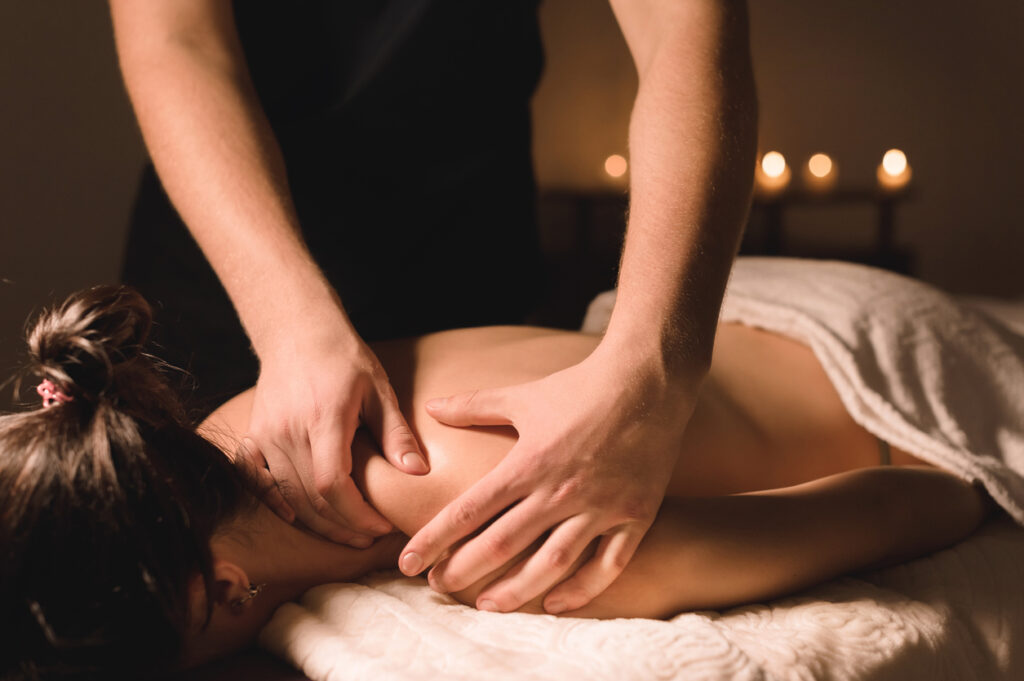
Who Should Consider a Deep Tissue Massage?
Deep tissue massage is suitable for individuals experiencing:
- Persistent muscle tightness
- Back or neck discomfort
- Tension headaches are linked to muscle strain
- Limited movement or stiffness
- Stress-related muscular pain
It is particularly popular among office workers, gym-goers, and people living in fast-paced urban environments where stress and long hours of sitting are common.
However, deep tissue massage may not be suitable for everyone. Individuals with certain medical conditions, acute inflammation, or recent surgery should consult a healthcare professional before booking a session.
Why Not Try A Swedish Massage?
Swedish massage is a classic therapeutic treatment designed to relax the body, ease muscle tension, and improve overall well-being.
Using a combination of long, flowing strokes, gentle kneading, and rhythmic tapping techniques, it helps to boost circulation, reduce stress, and promote a sense of calm.
Ideal for those new to massage or seeking a soothing experience, Swedish massage can support both physical recovery and mental relaxation, making it one of the most popular massage therapies.
What to Expect During Your Appointment
A deep tissue massage session typically begins with a brief consultation. Your therapist will ask about any areas of discomfort, previous injuries, and your treatment goals. This ensures the session is tailored specifically to you.
The treatment usually lasts between 30 and 60 minutes. You will be positioned comfortably in a private treatment room while the therapist works on targeted muscle groups.
After the massage, you may feel:
- Looser and more mobile
- Relaxed yet energised
- Slightly tender in worked areas
Drinking water after your session and allowing your body time to rest can help maximise the benefits.
How Often Should You Have a Deep Tissue Massage?
The frequency of treatment depends on your lifestyle and symptoms. Some people benefit from regular sessions to manage chronic tension, while others book appointments when discomfort arises.
For ongoing muscular issues, your therapist may recommend a short course of treatments followed by maintenance sessions.

Is Deep Tissue Massage Safe?
When performed by a qualified and trained therapist, deep tissue massage is considered safe for most people. It is important to provide accurate health information during your consultation so your therapist can adjust the treatment accordingly.
If you experience unusual pain, bruising, or prolonged discomfort, you should seek professional advice.
However, mild tenderness for a short period after treatment is normal and usually indicates that tight areas have been effectively worked on.
Why Choose a Professional Clinic for Deep Tissue Massage?
Deep tissue massage requires knowledge of anatomy, muscle structure, and correct pressure techniques. Choosing a qualified therapist ensures the treatment is both safe and effective.
Professional clinics provide:
- Proper consultation before treatment
- Clean, private treatment rooms
- Therapists with recognised training and qualifications
- Tailored treatment plans based on your specific needs
This approach ensures that the focus remains on long-term relief and overall health rather than short-term relaxation alone.
Ready To Book A Massage? Get In Touch With Derma Lab Clinic!
A deep tissue massage is more than just a relaxing treatment. It is a targeted therapy designed to relieve chronic muscle tension, improve mobility, and support overall well-being.
By working into deeper muscle layers, this type of massage helps address the root causes of discomfort rather than simply easing surface tension.
If you are experiencing persistent muscle tightness, stress-related pain, or limited movement, deep tissue massage may offer the structured support your body needs to recover and restore balance.